
Miscellaneous Diets
-
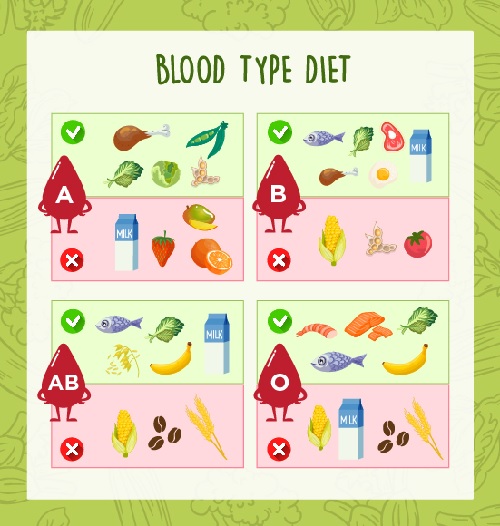
Blood-Type Diet
Proposed in 1996 by naturopathic doctor Peter J. D'Adamo, this type of diet claims that our nutritional needs depend on our blood type - O, A, B, or AB. For example, according to this diet, Type O appreciates more meat, Type A - more vegetables, Type B - more eggs and Type AB - more fish. While there is no scientific evidence that this type of diet works, there are still followers of Blood-Type Diet.
-
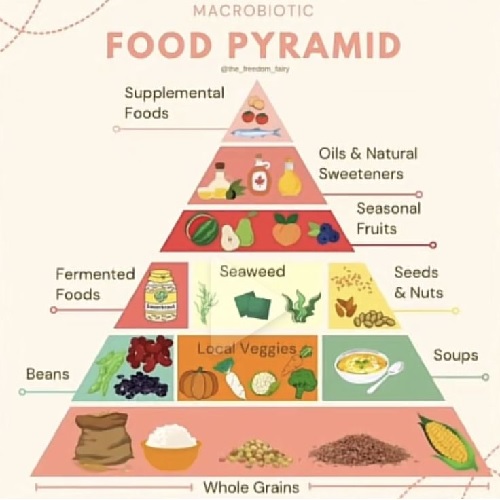
Macrobiotic Diet
This high in fiber and low fat traditional Japanese diet is based on the philosophical idea of nutritional harmony based on so-called Yin-Food and Yang-Food balancing each other. It advocates reducing animal products, eating more locally-grown, plant-based, organic food based on whole grains (brown rice, barley, millet...), vegetables, beans and legumes.
-
I Ching Diet
The I Ching Diet is an innovative, experimental dietary approach first introduced at FoodGalaxies.com and further developed through theoretical work at IChing360.com. As a “first cousin” to the Macrobiotic Diet, it draws on Yin–Yang balance while introducing a distinctive focus on the vertical layered structure of food. In the I Ching Diet, foods are viewed as combinations of Yin (cooling, hydrating) and Yang (dense, warming) components arranged in layers. These binary combinations form a structured culinary pattern - sometimes referred to as a gastronomic code - that influences flavor, texture, digestion, and overall eating experience.
-
The Foundation Eating Plan Diet
FEP Diet (Foundation Eating Plan Diet) is a nutrional plan that focuses on overall health to achieve a long and quality life. FEP Diet promotes eating lots of vegetables, whole foods, fewer processed foods and less added sugar. Some of the most popular food in FEP Diet list include Fruits, Vegetables, Whole grains (brown rice, oatmeal, whole-wheat bread...), Legumes (beans, peas and lentils), Nuts and seeds.
Don't confuse this FEP diet with Food Enzyme Program Diet also called FEP Diet.